Is It Worth Climbing? Campanile Viewpoints Compared for Views, Access, and Crowds
A practical comparison of campanile climbs by view, access and crowds, with tips on stairs, timing and...

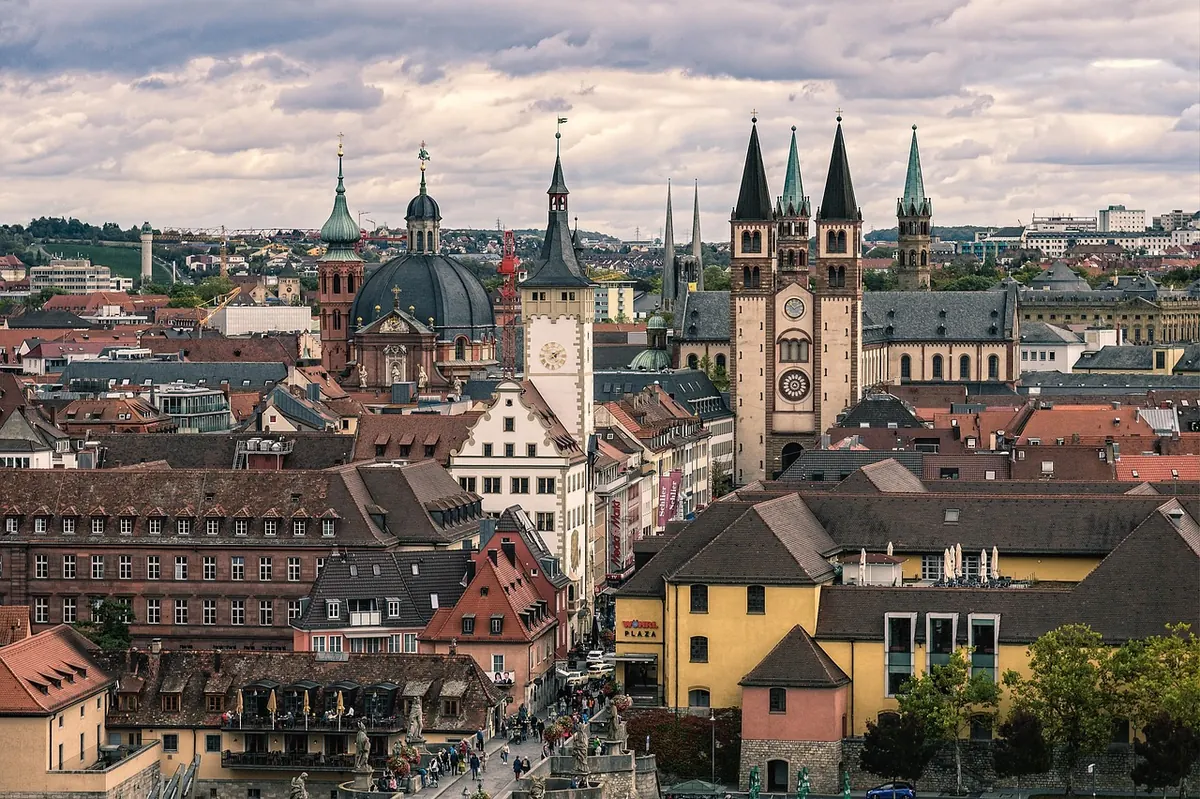
A bell tower is not a museum exhibit with a fixed mood. It changes with the weather, the angle of the sun, and the way the town below it is working that day. A climb in March feels nothing like the same climb in August, even if the steps and the bell are exactly the same. That is the local angle worth knowing before you plan a visit: the campanile keeps its own calendar, and the best visits are the ones that work with it.
Stone holds the night chill longer than the street does. Wooden shutters swell in damp air. Metal handrails can be cold enough to make you let go too soon. In our corner of the valley, the tower often has a small climate of its own: a breeze at the base, a stronger one at the belfry, and a pocket of warmth on the south side by mid-afternoon. Visitors who only check the town forecast miss this. A sunny day in the square can still mean a cool, gusty climb.
Light matters just as much. Low winter sun rakes across the façade and picks out stonework you would never notice at noon. Summer light flattens everything and turns distant hills into haze. Autumn light is often the most generous, but it arrives with wet leaves on the stairs. None of this is a reason to stay away. It is a reason to choose your hour and your season with a little care.
March and April are changeable. Morning can be clear, lunchtime can bring a shower, and the afternoon can turn bright again. The tower steps may stay damp after rain, especially where they are shaded by the wall. Wear shoes with grip rather than smooth soles, and treat the first few flights as a warm-up rather than a race. If a shower has just passed, give the stone twenty minutes before you start; the surface dries quickly in wind but slowly in still air.
May is often the sweet spot. The light is still long and angled, the town is not yet in full summer mode, and the belfry is comfortable for longer. Check local opening times before you go, because spring schedules can be shorter than summer ones, particularly on weekdays. If the tower is open only for limited hours, aim for late morning rather than early afternoon; the light is better and the stairs are quieter.
June, July and August reward early risers. By mid-morning the stone can feel warm, the belfry can be stuffy, and the view can soften into haze. Climb soon after opening if you can, or wait until the last hour before closing. Take water, wear a hat for the walk back down, and do not linger on the sunny side of the belfry longer than you need to. The shade inside the tower is real, but it is not air conditioning.
Summer also brings more visitors. That can mean longer queues at the base and more noise in the belfry. If you want the tower almost to yourself, ask locally about quiet days and avoid the middle of the afternoon. Thunderstorms are the one summer condition to take seriously: if you hear thunder or see lightning, postpone the climb. A bell tower is not the place to test your luck.
September and October often give the clearest views of the year. The air cools, the haze lifts, and the low sun brings out the texture of the town below. This is also the season when fallen leaves collect on external stairs and wet stone stays slick in shaded corners. Wear shoes with a proper tread, use the handrail, and take the descent slowly. If rain has been heavy, ask whether the upper level is open before you buy a ticket or join a tour.
November is quieter and moodier. Fog can sit in the valley while the tower stands above it, which makes for memorable photographs but uncertain views. Check the sky from the square first. If the belfry is in cloud, you may still enjoy the climb for the bells and the stonework, but do not expect a panorama. Locals often know the pattern: fog in the morning, clearer by early afternoon, or the reverse. A quick question at the café or the parish office can save you a wasted climb.
December, January and February are for visitors who like the tower without the crowd. The trade-off is short daylight and cold stone. Aim for the middle of the day, when the sun has had a chance to warm the south side and the light is still strong enough to see the stairs. Wear gloves you can grip with, and keep a scarf clear of the handrail. Ice is the main hazard; if the steps or the external gallery look shiny, do not climb.
Winter opening hours are often reduced, and some towers close entirely for maintenance or for the quietest weeks after Christmas. Call or check locally before making a special trip. The reward is a different kind of visit: fewer voices, longer shadows, and a sense of how the tower works as a landmark in the town’s everyday life rather than only as a visitor attraction.
Before any climb, do three things: check the local opening times, look at the sky rather than only the temperature, and choose footwear for stone rather than for style. At the tower, read the safety notice, keep your voice low if the bell is still in use, and turn back if the weather changes. The campanile is best visited as part of the day around it: a morning climb and a slow coffee, or an autumn afternoon and a walk through the lanes. Work with the season, and the tower will show you a different face each time.
Photo: Tama66 / Pixabay
A practical comparison of campanile climbs by view, access and crowds, with tips on stairs, timing and...
A practical walking route for reading a historic Italian town through its bell towers, from belfry details...
A practical, step-by-step checklist for community groups taking on a village bell tower restoration, from...