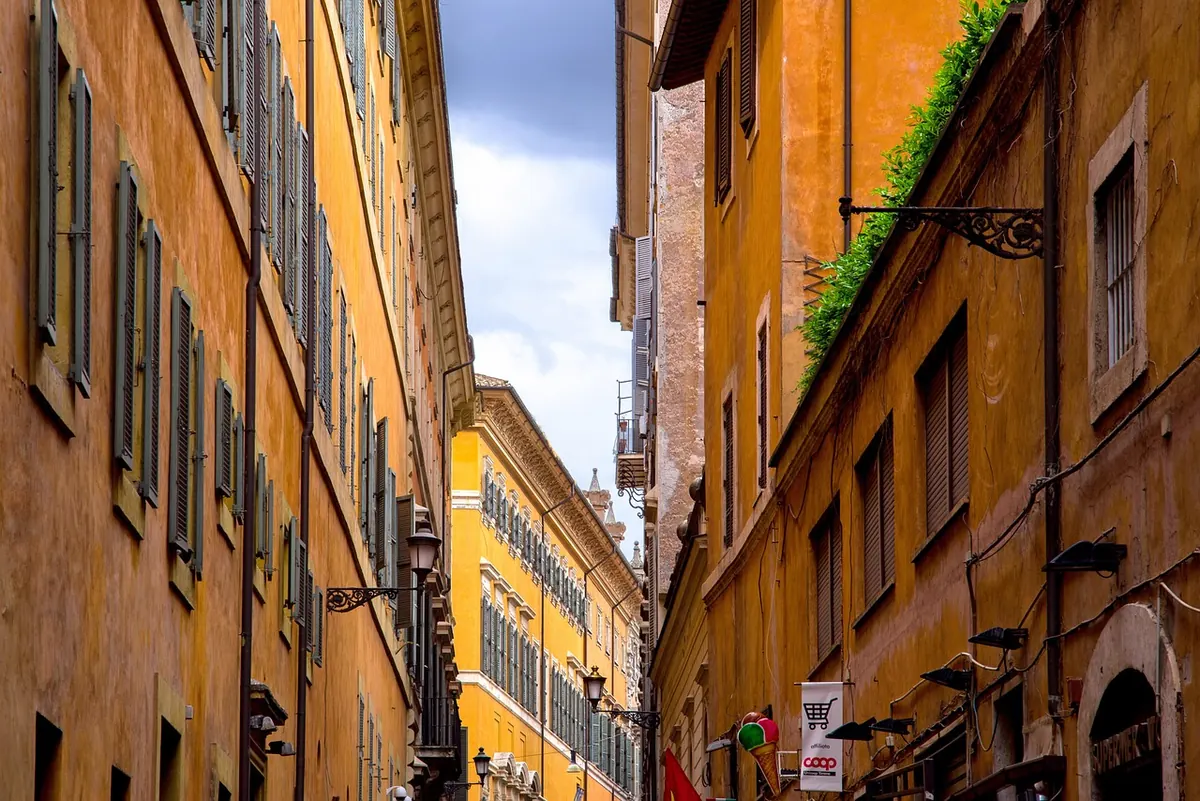
How Weather and Seasons Change Bell Tower Visits: A Month-by-Month Local Angle
A month-by-month guide to how weather, light and seasonal access shape bell tower visits, with practical...

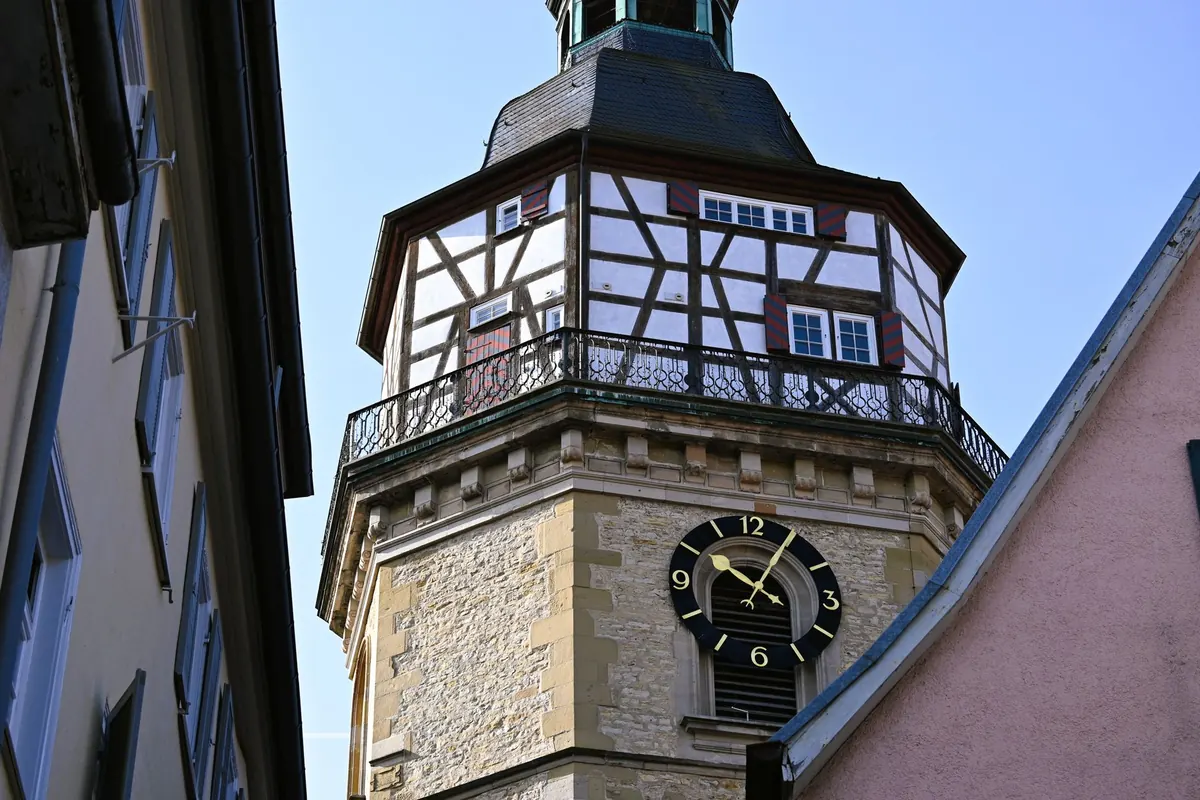
A bell tower is the one building in the village that everybody sees and almost nobody enters. You notice it from the road, you hear it on the hour, and then one morning you look up and realise the louvres are rotten, a corner of the parapet has gone, and there is a damp stain spreading across the wall inside. That is usually how these projects begin — not with a strategy document, but with somebody standing in the lane saying, "That needs seeing to."
What follows is the order in which to see to it. It is not a substitute for proper conservation, structural, financial or legal advice, and you should take that advice before you commit to anything expensive. It is simply a way of arranging the work so that the advice, when it arrives, is useful.
Resist the temptation to pick a number and start collecting towards it. You do not yet know what the number is. Before anything else, commission a condition survey from someone who has worked on historic masonry and timber before — a structural engineer with the right experience, and a conservation-accredited architect or surveyor who can hold the project together over several years.
Ask for a written report that separates the findings into urgent, necessary and desirable. Ask for photographs of every defect, and ask them to point out anything that needs watching rather than fixing straight away — a hairline crack that has been there for decades is a different problem from one that appeared last winter.
While you wait for the report, start a logbook. Note when the leak in the ringing chamber appears, which wind direction brings it, when the clock stopped, who last went up and what they saw. Take a dated set of photographs from the same four viewpoints twice a year. A survey is a snapshot; a logbook is a history, and the two together make a much stronger case to a funder than either alone.
Restoration projects rarely fail because of masonry. They fail because the person who started it moved away, or ran out of energy, or was doing the treasurer's job as well as their own. Decide early who holds which responsibility, and write it down.
You also want three kinds of people around the table: those who will do the work, those who remember how the tower was last repaired and who did it, and those who can pick up the phone to the right person. Minutes matter more than you think — when a grant officer asks how a decision was reached, a single page from two years ago answers the question.
Find out who actually owns the tower before you plan anything. It may be the parish, a diocese or denominational body, the local authority, a trust, or a private owner, and each brings its own permissions. A listed building, a conservation area, or a scheduled monument will add further consents. Historic building and planning rules differ from place to place, so take local professional advice rather than relying on what a neighbouring village did.
Ask early, ask in writing, and keep the replies. One practical warning: some funders want proof that permission exists before they will consider an application, while others want the permission to follow the grant. Check the sequence for each funder separately, or you will find yourself going round in circles.
A vague brief gets vague prices. Ask your architect or surveyor to prepare a specification and a schedule of works — a document that says what will be done, to what standard, in what order, with what materials. Then invite three contractors to price the same document. Ask each of them for references from similar work on similar buildings, and go and look at those buildings. Talk to the people who commissioned them.
Before work starts, agree on the things that cause most disputes:
And do not forget what sits above the louvres. The bell frame, headstocks, bearings, clappers and ropes all need inspection by a bellhanger, and the sequence matters: if masonry work is going ahead near the frame, the bellhanger should be consulted first. The same applies to the clock, the lightning protection and the rainwater goods, which are the cheapest thing to fix and the most expensive thing to ignore.
Very few communities raise the cost of a whole tower in one campaign. Phase the work: emergency repairs first, then the weatherproofing, then the masonry, then the fittings. Each phase is a fundable, completable unit, and a finished phase is far more persuasive to the next funder than a stalled one.
Look broadly at where money comes from: grant-giving trusts that support historic buildings, local authority heritage funds, denominational funds where they apply, the parish or town council, local businesses, and ordinary village fundraising — teas, quizzes, sponsored walks, memorial gifts and legacies. Hold back a contingency of your own on top of whatever the contractor includes. Take professional advice on charitable status, tax and gift aid before you start banking donations, and keep the accounts tidy from the first pound.
People give to something they can see. Put a simple progress board by the gate. Hold open days, and scaffold tours if the contractor agrees and it can be done safely. Visit the school. Ask the people who used to ring, or who wound the clock for thirty years, to record what they remember — that material is heritage in its own right and it disappears quietly.
Photograph everything: before, during, after, and the details nobody thinks to record, like the inscriptions on the bells or the shape of a tooled stone. Keep the specification, the reports, the invoices and the photographs together in one archive, and give a copy to the local record office. Name your donors in a modest permanent record near the door. It is a small thing, and people remember it.
Then stop. Read the survey report twice before you decide what the project is. The tower has stood for a few hundred years; it will keep while you get the order of things right.
A month-by-month guide to how weather, light and seasonal access shape bell tower visits, with practical...
A practical comparison of campanile climbs by view, access and crowds, with tips on stairs, timing and...
A practical walking route for reading a historic Italian town through its bell towers, from belfry details...